Pages

Powered by Blogger.
Are cardio workouts or weight training more effective for losing fat...
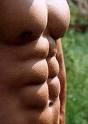
lose body fat with weight training

by Mike Geary, Certified Nutrition Specialist, Certified Personal Trainer

In this article, I have an intriguing discussion about cardio workouts, which will hopefully get you thinking differently, and trying new things.

You may know I've been called the anti-cardio guy before, but this week I'm back posing the question to you... Do you really need cardio training to get lean and in great shape? By the way, you'll see in a minute that I'm not really "anti-cardio", just "anti traditional cardio".

Most fitness buffs, weekend warriors, or anyone trying to get in shape or lose body fat, consider it a fact that they need "cardio" exercise to accomplish these goals. They would never even question it.

However, I'm not only questioning it, I'm going to refute it! In fact, you may be surprised to know that some of the leanest and meanest people I know (men and women), NEVER do any type of normal or traditional cardio. And I've spent over 15 years working out in various gyms, and hanging out with athletes of all sorts, so I've seen it all.

I will say that there can be a place for low-moderate level cardio for really overweight or deconditioned people, but even in those cases, there can be more effective methods.

But what exactly is "cardio"?


Most people would consider cardio to be pumping away mindlessly on a treadmill, riding a stationary bike, or coasting on an elliptical machine, while watching the TV screen at their state of the art gym. This is what I call "traditional cardio". Hmmm, no wonder the majority of people get bored with their workouts and give up after a couple months without seeing results.

But if you look closer, "cardio" exercise can be considered any type of exercise or activity that strengthens the cardiovascular system. I'm not going to get into anything technical like increasing your VO2 max or anything like that. To keep it simple, if it gets your heart pumpin, and gets you huffin and puffin, it's cardio. I don't care if you're holding dumbbells or a barbell and everyone calls it a weight training exercise...it's still conditioning your heart.

Let's take a look at a couple examples. Take a barbell (or dumbbell, or kettlebell) clean & press for example, which involves lifting a barbell from the floor up to shoulders, then push pressing overhead. And listen up ladies, because even though this is usually seen as a manly exercise, it doesn't matter if you're not lifting 250 lbs; if 45 lbs is challenging to you, then you will still benefit just as much.

At first glance, most people think of the barbell C&P only as a weight training exercise or strength exercise. However, I challenge you to do a hard set of around 10-15 reps on the C&P. If you used a challenging enough weight, what you'll find is that your heart rate is probably up to about 80-90% of your recommended max, and you are huffing and puffing like you just ran a 100-meter sprint (which by the way, sprinting kicks the crap out of jogging any day if you want the easiest way to lose the flab).

Try the same thing for a set of 20 reps of one-arm snatches or swings with each arm with a kettlebell or dumbbell, and tell me your legs aren't burning, heart racing, and you're gasping for breath. How about trying 5 minutes straight of bodyweight squats, lunges, and pushups with very little rest. Again, notice your heart pounding, sweat pouring off of you, and chest heaving for breaths!

Try and tell me you're not conditioning your heart with this style of training! Conventional thinking says that these are weight training or strength training exercises. However, they are fullfilling your cardio workout needs as well (saving you time!).

Not only do you save time, but you strengthen and condition almost every muscle in your entire body with these full body exercises if you do them with enough intensity...something that can't be said for that boring stationary bike ride or treadmill jaunt while reading or watching TV.

Reading or watching TV while you workout is a joke!
Seriously, if you can read or watch TV while doing any exercise, you're not concentrating enough on what you're doing, plus you're probably not working out hard enough to see any real results.
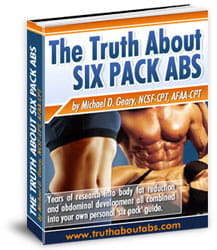
program for losing body fat

I challenge you to give the "traditional cardio" a rest for a month or two, and start training the way I explain in my internationally-selling Truth about Six pack Abs Program, and see how you start getting leaner, more defined, and your six pack starting to show through what used to be stubborn stomach fat deposits.
Your Cardio Workouts may NOT be helping you unless you incorporate a high range of heart rate shifts in your training

By Mike Geary – Certified Personal Trainer, Certified Nutrition Specialist
Author of best-seller: The Truth about Six Pack Abs
Are you a cardio junkie? Everyone seems to think that "cardio" is the best way to get in shape and lose body fat. I'm going to show you with this article why I disagree!
It is quite common to hear fitness pros, doctors, and other health professionals prescribe low to moderate intensity aerobic training (cardio) to people who are trying to prevent heart disease or lose weight. Most often, the recommendations go something like this:

"Perform 30-60 minutes of steady pace cardio 3-5 times/week maintaining your heart rate at a moderate level"
Before you just give in to this popular belief and become the “hamster on the wheel” doing endless hours of boring cardio exercise, I’d like you to consider some recent scientific research that indicates that steady pace endurance cardio work may not be all it’s cracked up to be.
First, realize that our bodies are designed to perform physical activity in bursts of exertion followed by recovery, or stop-and-go movement instead of steady state movement. Recent research is suggesting that "physical variability" is one of THE most important aspects to consider in your training.

This tendency can be seen throughout nature as most animals tend to demonstrate "stop-and-go" motion instead of steady state motion. In fact, humans are the only creatures in nature that attempt to do “endurance” type physical activities such as running long distances at the exact same speed the whole time.
Most competitive sports (with the exception of endurance running or cycling) are also based on stop-and-go movement or short bursts of exertion followed by recovery.

To examine an example of the different effects of endurance or steady state training versus stop-and-go training, consider the physiques of marathoners versus sprinters. Most sprinters carry a physique that is very lean, muscular, and powerful looking, while the typical dedicated marathoner is more often emaciated and sickly looking. Now which would you rather resemble?


Another factor to keep in mind regarding the benefits of physical variability is the internal effect of various forms of exercise on our body. Scientists have known that excessive steady state endurance exercise (different for everyone, but sometimes defined as greater than 60 minutes per session most days of the week) increases free radical production in the body, can degenerate joints, reduces immune function, causes muscle wasting, and can cause a pro-inflammatory response in the body that can potentially lead to chronic diseases.

Highly variable cyclic training

On the other hand, highly variable cyclic training has been linked to increased antioxidant production in the body and an anti-inflammatory response, a more efficient nitric oxide response (which can encourage a healthy cardiovascular system), and an increased metabolic rate response (which can assist with weight loss). Furthermore, steady state endurance training only trains the heart at one specific heart rate range and doesn’t train it to respond to various every day stressors.

On the other hand, highly variable cyclic training teaches the heart to respond to and recover from a variety of demands making it less likely to fail when you need it. Think about it this way... Exercise that trains your heart to rapidly increase and rapidly decrease will make your heart more capable of handling everyday stress. Stress can cause your blood pressure and heart rate to increase rapidly. Steady state jogging and other endurance training does not train your heart to be able to handle rapid changes in heart rate or blood pressure.

The important aspect of variable cyclic training that makes it superior over steady state cardio exercise is the recovery period in between bursts of exertion. That recovery period is crucially important for the body to elicit a healthy response to an exercise stimulus. Another benefit of variable cyclic training is that it is much more interesting and has lower drop-out rates than long boring steady state cardio programs.

To summarize, some of the potential benefits of variable cyclic training compared to steady state endurance training are as follows: improved cardiovascular health, increased anti-oxidant protection, improved immune function, reduced risk for joint wear and tear, increased muscularity (versus decreased muscularity with endurance training), increased residual metabolic rate following exercise, and an increased capacity for the heart to handle life’s every day stressors.

Sports Workouts and Sprinting

There are many ways you can reap the benefits of stop-and-go or variable intensity physical training. Most competitive sports such as football, basketball, volleyball, racquetball, tennis, hockey, baseball, etc. are naturally comprised of highly variable stop-and-go motion which trains the heart through a MUCH wider heart rate range compared to just steady walking or jogging.

Doing swimming workouts in a variable intensity fashion may also be more beneficial than just swimming for a long duration at the same speed. Same goes for bicycling -- that is why mountain biking, which involves extreme ups and downs at various intensity levels may also be more beneficial than just a long flat steady pace bike ride.

One of the absolute most effective forms of variable intensity training to really reduce body fat and bring out serious muscular definition is performing wind sprints. Wind sprints can be done by sprinting at near max speed for 10-30 seconds, and then taking 60 seconds to walk for recovery before your next sprint. 6-12 total sprint intervals is usually a very challenging workout for most people.

In addition, weight training naturally incorporates short bursts of exertion followed by recovery periods. High intensity interval training (varying between high and low intensity intervals on any piece of cardio equipment) is yet another training method that utilizes exertion and recovery periods. For example, an interval training session on the treadmill could look something like this:

Warm-up for 3-4 minutes at a fast walk or light jog

Interval 1 - run at 8.0 mi/hr for 1 minute

Interval 2 - walk at 4.0 mi/hr for 1.5 minutes

Interval 3 - run at 10.0 mi/hr for 1 minute

Interval 4 - walk at 4.0 mi/hr for 1.5 minutes

Repeat those 4 intervals 4 times for a very intense 20-minute workout.

Also, don't overlook other great ways to incorporate variable intensity cardio training by using a jump rope, a rowing machine, stairs running, or even outdoor hill sprints.

The take-away message from this article is to try to train your body at highly variable intensity rates for the majority of your workouts to get the most beneficial response in terms of heart health, fat loss, and muscle maintenance.


Full-body strategically-designed resistance training programs along with high intensity cardiovascular training programs guaranteed to strip off body fat when combined with a healthy diet are included in my book The Truth About Six Pack Abs. If you’re serious about getting lean for good, this book is a must-read.

If you're skeptical, feel free to check out some of the results that other Truth about Abs Users are experiencing
You've been deceived into thinking that saturated fats are bad for you, but let's look at some facts below...
by Mike Geary - Certified Nutrition Specialist, Certified Personal Trainer


I’ll preface this article by saying that it will help if you have an open mind and accept that some of these facts are a slap in the face to politically correct nutrition in this day and age where fats are admonished by many doctors, health "experts", and the mass media.

To start, eating an adequate supply of healthy dietary fats is vitally important to your overall health. Fats are one of the main components in all of the cell membranes throughout your entire body. If you eat enough healthy natural fats, your cellular processes will proceed normally.

On the other hand, if you eat man-made, heavily processed, chemically altered fats (damaged fats) that are found in most processed foods, your cellular function will be impaired as these damaged fats become part of your cell membranes, the body will have to work harder to operate correctly, and degenerative diseases can develop.

In addition, healthy dietary fats are necessary for optimal hormone production and balance within the body and are therefore essential for the muscle building and fat burning processes. Other important functions that dietary fats play in a healthy body are aiding vitamin and mineral utilization, enzyme regulation, energy, etc.

I cringe every time I hear so called "health experts" recommend restriction of dietary fat, claiming that a low-fat diet is the key to good health, weight loss, and prevention of degenerative diseases. Restriction of any one macronutrient (protein, carbs, or fat) in your diet works against what your body needs and can only lead to problems.

All three basic macronutrients serve important functions for a lean, healthy, and disease-free body. As Dr. Mary Enig, Ph.D, and one of the leading fats researchers in the world, notes in several of her books and articles, there is very little true scientific evidence supporting the assertion that a high fat diet is bad for us.

For example, if these so called "health experts" that admonish fat are correct, and a low-fat diet is the solution to good health, then why did traditional Pacific Islanders who typically obtained 2/3 to 3/4 of their total daily calories from fat (mostly from coconut fat), remain virtually free from heart disease, obesity, and other modern degenerative diseases (that is, until Western dietary influences invaded)?

Also, why did traditional Eskimo populations, consuming up to 75% of their total caloric intake from fat (mostly from whale blubber, seal fat, organ meats, and cold water fish), display superior health and longevity without heart disease or obesity?

Why did members of the Masai tribe in Africa remain free from degenerative diseases and maintain low body fat percentages on diets consisting of large quantities of raw whole milk, blood, and meat? What about the Samburu tribe of Africa, which eats an average of 5 times the quantity of dietary fat (mostly from raw whole milk and meat) as overweight, disease-ridden Americans, yet Samburu members are lean, healthy, and free of degenerative diseases?

What about traditional Mediterranean diets, which are known to be very high in fat in some cases (sometimes up to 50-70% fat), and are also well known to be very healthy?

These examples of high fat diets and the associated excellent health of traditional populations around the world go on and on, yet it seems that many doctors, nutritionists, and media outlets still ignore these facts and continue to promote a diet that restricts dietary fat intake.


Well, the problem is that the good fats (the natural unprocessed health promoting fats) have gotten mistakenly lumped together in nutritional advice with the deadly processed fats and oils that make up a large percentage of almost all processed food that is sold at your local grocery store, restaurant, deli, fast food joint, etc. These deadly processed fats are literally everywhere and almost impossible to avoid unless you know what to look for and make smart choices in what you feed your body with.

Take note that I’m not recommending following a super high fat diet (although technically this can be more healthy than a high carb diet as long as you choose healthy fats).

However, in most cases, active individuals that exercise on a regular basis certainly also need adequate supplies of healthy carbohydrates for energy and muscle glycogen replenishment as well as good sources of protein for muscle repair. The above examples of the high fat diets of traditional populations and their corresponding excellent health were simply to prove the point that you don't need to be afraid of dietary fats as long as you make healthy natural choices and stay within your daily caloric range to maintain or lose body fat (depending on your goals).

Following is a list of some of the healthiest fatty foods (some will surprise you!) as well as some of the deadliest fatty foods to try to avoid at all costs:

The Healthy Fatty Food Choices:

Coconut fat: Coconut fat is approximately 92% saturated fat, yet surprisingly to most people, is considered a very healthy natural fat. The health benefits of coconut fat lie in its composition of approximately 65% medium chain triglycerides (MCTs). Specifically, about 50% of coconut fat is a MCT called lauric acid, which has very potent anti-microbial properties helping to enhance the immune system. Also, MCTs are more easily utilized for immediate energy instead of being stored as body fat. Coconut oil is also an excellent cooking oil for stir-frying, etc. since saturated fats are much more stable and do not oxidize like polyunsaturated oils when exposed to heat and light, which creates damaging free radicals. The best sources of healthy coconut fat are organic coconut milk, virgin coconut oil (available at http://coconut-info.com), or fresh coconut. 

Extra virgin olive oil: 

 Olive oil is approximately 71% monounsaturated, 16% saturated, and 13% polyunsaturated. Choose “extra virgin” olive oil, which comes from the first pressing of the olives and has higher quantities of antioxidants. Unlike most other oils on supermarket shelves, extra virgin olive oil is not extracted with the use of harmful industrial solvents and is one of your healthiest choices for liquid oils. Try making your own salad dressing by mixing a small amount of olive oil with vinegar. This is healthier than most store bought salad dressings, which are usually made with highly processed and refined (chemically damaged) soybean oil extracted with industrial solvents.
Dark, bittersweet chocolate (>70% cocoa): The cocoa bean is a very concentrated source of antioxidants and responsible for part of the health benefit of dark chocolate. The fat portion of the cocoa bean (cocoa butter) is a healthy natural fat, composed of approximately 59% saturated fat (mostly healthy stearic acid), 38% monounsaturated fat, and 3% polyunsaturated fat. I’ll limit the description of healthy chocolate to ONLY dark bittersweet chocolate with >70% cocoa content. Most milk chocolates are only about 30% cocoa, and even most dark chocolates are only about 55% cocoa, leaving the remainder of those products composed of high amounts of sugar, milk fat, corn sweeteners, etc. Look for a quality dark chocolate that lists its cocoa content like Chocolove Extra Dark (77%) or Dagoba New Moon (74%), which contain mostly cocoa and very little sugar. Keep in mind that although dark chocolate can be a healthy treat, it is still calorie dense, so keeping it to just a square or two is a good idea. 

Avocados or guacamole: The fat in avocados (depending on where they’re grown) is approximately 60% monounsaturated, 25% saturated, and 15% polyunsaturated. Avocados are a very healthy natural food that provides many nutrients, fiber, and healthful fats, while adding a rich flavor to any meal. Try sliced avocado on sandwiches or in salads or use guacamole in wraps, sandwiches, or quesadillas.
High fat fish such as wild salmon, sardines, mackerel, herring, trout, etc.: Just about any fish or seafood are good sources of natural omega-3 polyunsaturated fats, but the higher fat fish listed above are the best sources of omega-3’s. Due to the radical switch to a higher proportion of omega-6 polyunsaturated fats like soybean oil, corn oil, safflower oil, etc. in our food supply during the middle of the 20th century, the average western diet is currently way too high in omega-6’s compared to omega-3’s, which wreaks havoc in your body. This is where good omega-3 sources like high fat fish, walnuts, and flax seeds can help bring you back to a better ratio of omega-6/omega-3. I also recommend Krill Oil, which has been shown to possibly have even more health benefits than standard fish oil
Nuts (any and all - walnuts, almonds, peanuts, cashews, macadamias, etc.): Nuts are great sources of healthy unprocessed fats as well as minerals and other trace nutrients. Macadamias, almonds, and cashews are great sources of monounsaturated fats, while walnuts are a good source of unprocessed polyunsaturated fats (including omega-3’s). Try to avoid nuts that are cooked in oil. Instead, choose raw or dry roasted nuts.
Seeds (sunflower seeds, pumpkin seeds, sesame seeds, flax seeds): All of these seeds are great sources of natural unprocessed healthy fats. In particular, flax seeds have received a lot of attention lately due to their high omega-3 content. However, keep in mind that omega-3 polyunsaturated fats are highly reactive to heat and light, and prone to oxidation and free radical production. Therefore, freshly ground flax seed is the only way to go. Instead of using the store bought ground flax seed, you can buy whole flax seed and use one of those miniature coffee grinders to grind your own flax seed. Try grinding fresh flax seed into your yogurt, cereal, or even your salad. If you’re using a flax oil, make sure it’s a cold-pressed oil in a light-proof refrigerated container, and use it up within a few weeks to prevent it from going rancid. NEVER cook with flax oil! 

The fat in organically raised, free-range animals: This is where most people have been misinformed by the mass media. Animal fat is inherently good for us, that is, if it came from a healthy animal. Human beings have thrived on animal fats for thousands of years. The problem is, most mass produced animal products today do not come from healthy animals. They come from animals given loads of antibiotics and fattened up with hormones and fed un-natural feed. The solution is to choose organically raised, free-range meats, eggs, and dairy. At this time, the price is still a little higher, but as demand grows, the prices will come down. I've found an incredible website that actually offers free-range grass-fed meats delivered right to your doorstep at very reasonable prices. Believe me, it's very hard to find grass fed meats at any grocery stores, so I was pleased to find this site.

The Deadly Fatty Foods:

Hydrogenated oils (trans fats):
 These are industrially produced chemically altered oils subjected to extremely high pressure and temperature, with added industrial solvents such as hexane for extraction, and have a metal catalyst added to promote the artificial hydrogenation, followed by bleaching and deodorizing agents…..and somehow the FDA still allows this crap to pass as food. These oils aren’t even worthy of your lawnmower, much less your body! They’ve been linked to obesity, heart disease, diabetes, cancer, and more. Even small quantities have been shown in studies to be dangerous. If you care about your health, check the ingredients of everything you buy, and if you see partially hydrogenated oils of any kind, margarine, or shortening, protect yourself and your family by choosing something else. 
 
Refined oils: 
 Even if the oils are not hydrogenated, most oils on your supermarket shelves are refined, even most of the so called “healthy” canola oils. Most refined oils still undergo the high temperature, high pressure, solvent extraction, bleaching, and deodorizing processes. Anything labeled vegetable oil, soybean oil, corn oil, cottonseed oil, safflower oil, and even many canola oils have been damaged by this refining process (unless they say "virgin" or "cold expeller pressed"). This damages the natural structure of the fats, destroys natural antioxidants, creates free radicals, and produces a generally unhealthy product. Take note that the explosion of heart disease in the middle of the 20th century coincides quite nicely with the rapid increase in the use of hydrogenated and refined oils in the food supply. 

Anything deep fried: including tortilla chips, potato chips, French fries, donuts, fried chicken, chicken nuggets, etc. All of this crap shouldn't even pass as real food in my opinion! 

Homogenized milk fat - Milk fat is a very healthy fat in its natural raw state. Milk and beef from grass fed organically raised cows is known to have higher quantities of healthy fats like conjugated linoleic acid (CLA) and omega-3 fatty acids compared with grain fed cows. Traditional populations around the world have thrived in perfect health while consuming huge quantities of raw, non-pasteurized, non-homogenized, full fat dairy products. Once again, food processing ruins a good thing by pasteurizing and homogenizing milk fat, rendering it potentially dangerous inside the human body. Unfortunately, you will find it almost impossible to find raw milk in the US unless you personally know a farmer. Check out http://www.realmilk.com for more info on the benefits of raw milk and to find out if it’s available near you. As an alternative, cultured dairy products like yogurt have at least had beneficial microorganisms added back to them making them better for you. Realistically, since you probably won’t find raw milk, sticking to skim milk is the best option to avoid the homogenized milk fat. If you use butter for cooking, your best option is grass-fed butter.


I hope this article has shed some light on the truth about dietary fats and made you realize their importance in a healthy diet.


A fully comprehensive analysis on dietary protein, carbohydrates, and fat, and how to compile all of this information into a diet that promotes a lean healthy body with a low body fat percentage is provided in my book “The Truth About Six Pack Abs”. Give it a try and you won’t be disappointed!


an interview with Mike Geary - Certified Nutrition Specialist, Certified Personal Trainer
I had the pleasure of being interviewed recently by a fitness professional from NYC, Certified Personal Trainer, Geovanni Derice. The interview is below and I think you're going to like it... I reveal some of the hardest hitting strategies for getting rid of that stubborn stomach fat to uncover those flat six pack abs that everyone wants.
"GD: Welcome Mike to our 4-ever-Toned Fitness Journal. For those who do not know you, please tell us a few things about yourself and how you can help our readers with their fitness and health.
MG: Thanks for having me, Geo. Well, to go back a little, I have been heavily involved in fitness and sports for about 20 years now, ever since I was a teenager. Being involved in sports in high school got me interested in strength training and conditioning.
At that point, once I started feeling more energetic, getting stronger, and looking better, I was instantly hooked for life. I'm 36 now and still addicted to the way living a healthy and fit lifestyle makes me feel energetic, confident, strong, and youthful on a daily basis.
I decided earlier in my 20's that I wanted to make the commitment to help other people experience the excitement of being fit and getting in the best shape of their lives, especially since we've reached an epidemic of obesity, heart disease, diabetes, cancer, depression, etc. That's why I became a fitness professional. It just gives me so much satisfaction to help others, who have struggled for years to get in good shape, and show them that it can be done, and it can be fun in the process.
I've expanded over the years from just reaching local individuals with personal training, into being able to help people all over the globe achieve their fitness goals with the reach of the internet. I only hope that my passion for fitness inspires people to take action and improve how they look and feel for life.
GD: Now Mike, there's so many things out there as to what works and what does not work... if you had to pick 3 things that work time and time again to get flat lean abs, what would they be?
MG: The first and most important thing to get control of in order to lose your belly fat and get flat abs is cleaning up your diet. Exercise is important, but your diet is king when it comes to losing body fat so that you can see your abs.
There's so much confusion these days about what a healthy diet that promotes fat loss really is... after all, we are bombarded by conflicting messages in the media about what is healthy and what is not, and you have all of these gimmicky diet books about low carb, low fat, high protein, vegetarian, fasting, atkins, south beach, liquid diets, and hundreds more. There's so much conflicting info, that the average consumer doesn't even know where to start when it comes to eating for fat loss.
The second thing that works time and time again, is to focus on the intensity of your workouts and focus on working the body as a whole in order to get the best metabolic response to lose that stubborn stomach fat.
In order to really get lean, the workouts should have a high intensity, with short rest periods, working the largest muscle groups of the body, instead of trying to isolate specific small muscles like the biceps, triceps, or calves.
For the third thing, let's talk about actually training the abs specifically. When it comes to training the abs, if you want real results, I always recommend forgetting about the crunches and situps for the most part. They are ok for someone that is really deconditioned, but most people that already have some training under their belt need a much better stimulus for their abs than crunches. Crunches are one of the abs exercises that actually provide the least amount of resistance, and remember that resistance is what develops and tones the muscles.
I provide a ton of great abs exercises in my book, but one of THE highest resistance exercises for the abs, is hanging leg raises (but NOT the way you see most people at the gym doing them). The key to doing these and actually working the hell out of your abs is to curl your pelvis up as you raise your legs. Almost nobody ever does this right. To be honest, the majority of people cannot do this at first, but I provide some strategies in my book as to how to progress to doing these correctly.
GD: What are people doing wrong when it comes to developing the coveted "6 pack abs"?
MG: Well Geo, I know this sounds funny to most people, but the MAIN thing that people are doing wrong to get those flat 6-pack abs is... are you ready for this?
They spend entirely too much time focusing on training their abs! WAY too much time spent on abs exercises. Sounds crazy, but it's true.
Remember, having a flat and visible six pack of abs is all about getting down to a low body fat percentage. In order to do that, your workouts must focus on stimulating a fat burning hormonal environment in your body, and increasing your metabolic rate. That just does not happen when you focus too much time training a small muscle group like the abs.
Instead, you must use the majority of your time focusing on training the largest muscle groups of the body like the legs, back, and chest. That's what stimulates your metabolism and the fat burning hormones that will get you truly lean and sporting a flat sixxer!
GD: Which exercises are the top exercises that people need to do if they are to get maximum defintion with their midsection?
MG: When it comes to developing the abs themselves, I again refer to any kinds of hanging abs exercises, as well as some good floor abs exercises like lying leg thrusts (all described and illustrated in my book).
However, maximum definition in the abs and midsection comes from losing bodyfat, and the most effective exercises featured in my program for that goal are various forms of swings and snatches (unique dumbbell or kettlebell exercises that almost nobody ever does in normal gyms), squats, deadlifts, lunges, step-ups, clean & presses, mountain climbers, sprinting, and other full body exercises and calisthenics. If you want great looking flat abs, focus on those instead of focusing so much on training the abs directly!
GD: When it comes to diet Mike, people really have tried millions of ways to get one thing... and that is fat loss. What recommendations have you used to successfully help your clients lose body fat and keep it off?
MG: I have included a fully comprehensive discussion of this topic in my book, which accounts for almost half of the book, but I'll try to make some nice simple generalizations to get people started on the right path immediately. The most important thing is that your diet is as natural and unprocessed as possible. It almost always comes back to the overprocessing of food that makes it unhealthy, and makes it totally wreck your metabolism and hormone balance in your body.
For example, why eat refined grains, when you can eat sprouted whole grains (keep in mind that I usually recommend strictly limiting grain-based foods overall for best results due to the problems with antinutrients and gluten in grains which are inflammatory).
Why eat refined sugar, when you can get natural sources of sugar from a high nutrient whole food like fruit. Why eat highly processed, refined, and hydrogenated vegetable oils (these are THE worst thing in the modern diet), when you can eat natural sources of healthy fats like nuts, avocados, fish, eggs, coconut milk, organically raised meat, and so forth.
The point is to not fall for some gimmick like extremely low carbs (although I do believe in a fairly reduced carb intake as that is a big problem for most people), low fat, super high protein, or any other combination that has you focusing on one macronutrient vs. another.
Your body needs all macronutrients to thrive and obtain a variety of vitamins, minerals, antioxidants, etc. Trying to cut an entire food group out just works against what your body needs. I get into much more detail on this vitally important topic towards losing body fat (especially that stubborn stomach fat) for life in my book.
GD: Thank you very much Mike for sharing with us all of this great information. 
program for lean flat absWell, I hope you enjoyed this interview and plucked several nuggets of info to get you motivated and started on showing off your flat abs shortly. If you don't already own a copy, be sure to pick up a copy of my Truth about Six Pack Abs book and discover the entire system I've developed for ridding yourself of that extra ab fat for good!
The TRUTH about Potatoes, Glycemic Index, and "White Foods" - Friend or Foe for Fat Loss?

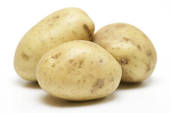
potatoes and glycemic index
I'd like to start a little discussion today about carbohydrates... and in particular, "white foods" as well as potatoes. One reason I wanted to mention this is because so many health and fitness professionals trash talk potatoes about being a bad carbohydrate choice because of the high glycemic index. Some even say such ridiculous things as "avoid any and all white carbohydrates".
Ok, now while I certainly agree that white bread and refined white sugar are two of the worst things we can be feeding our bodies, I definately don't agree with avoiding any and all "white carbohydrates". Now I know all of the buzz lately has been about colorful foods and the protective antioxidants that they contain. They tell you to focus on colors and stay away from white. 
"White Foods" aren't necessarily always the enemy
It's true that colorful foods are great, but it is a big mistake to specifically avoid white foods! There are plenty of white foods that have specific nutrients that are hard to find elsewhere. Let's look at a few examples...
Onions & Garlic
What about onions and garlic? They are both white and they are chock full of protective phytonutrients, vitamins, and trace minerals that aren't easy to find elsewhere in a normal diet... such nutrients as allicin, quercetin (an important flavonoid), chromium, and other unique anti-inflammatory nutrients.
In fact, onions are so powerful for our health, that one study of centenarians (people that live to over 100 years old) identified that a common thread of these amazingly healthy individuals was that they ate a lot of onions throughout their lives.   And we also know that garlic is one of the most powerful substances for a strong immune system, among other qualities.  
Cauliflower
Another example of something white that is great for you is cauliflower. Cauliflower is loaded with vitamin C, fiber, minerals, and special compounds such as glucosinolates and thiocyanates, which are specifically abundant in cruciferous vegetables such as broccoli, cauliflower, and cabbage.  And a little-known fact is that some of the compounds in cruciferous vegetables help to combat other estrogenic compounds in our food supply and environment and can help prevent excess belly fat.  So eat up on that cauliflower!
Mushrooms
Not many people realize this, but surprisingly, even white mushrooms have high levels of unique nutrients and antioxidants. White mushrooms are high in a couple types of antioxidants called polyphenols and ergothioneine.  And some types of mushrooms, such as portobella mushrooms, are surprisingly good sources of Vitamin D.
Potatoes
Now that also leads us to another example - white potatoes (which by the way, can also be found in red, yellow, purple varieties, etc). Many health professionals claim that potatoes are a bad carbohydrate because they are thought to have a high glycemic index. First of all, if you've read my Truth about Six Pack Abs ebook, then you understand that glycemic index is not necessarily the most important factor in choosing your carbohydrates.
While a generalization can be made that most low glycemic index carbohydrate choices will help you lose body fat easier than high glycemic index choices, it is not all that it's cracked up to be. There are many other factors that determine how your body will react-to and process the carbohydrates you ingest, such as glycemic load and also how you combine the high GI food with other foods.
For example, using glycemic load as an example... it is known that watermelon has a high glycemic index. However, the glycemic load of a normal serving of watermelon is just way too low for your body to start packing on body fat just because you ate a high glycemic index fruit. You would have to eat such an enormous quantity of watermelon just to get enough grams of carbohydrates to have any negative glycemic effect, that it is just non-sensical.
Not to mention that watermelon is also a great source of vitamins, minerals, and lycopene. There's just no reason to avoid it simply because it has a high GI. My point is... candy bars, cupcakes, and donuts make you fat... NOT watermelons, carrots or potatoes... French fries excluded of course.
Also, as i mentioned, food combinations are important in how your body processes the carbohydrates and the associated blood sugar and insulin response you receive. For example, if you mix a high glycemic index carbohydrate with an extra source of fiber, healthy fats, or even certain proteins, many times the blood sugar and glycemic response will be slowed down considerably by the way you combined the food. Again, I talk in detail about this entire topic in my Truth about Six Pack Abs book
Alright, so back to my point that white potatoes are actually a healthy carbohydrate as long as you eat them in the right form... with the entire skin, and please don't ruin them by deep frying them into french fries either! French fries are one of the most evil things ever invented for your health, but only because we ruin them by soaking them in a scorching bath oftrans fats in the deep fryer from the hydrogenated oils that are typically used.
Keep in mind that potatoes contain so many vitamins and minerals that the list is way too long to even try. Also, as long as you eat the skins, you get a decent shot of fiber too.
Will 7-9 potatoes per day make you fatter?
On the topic of potatoes not being so bad after all, I don't remember where I saw this referenced, but I recently saw a particular study that had participants eat something like 7-9 whole potatoes per day for several weeks.
At the conclusion of the study, the potato eaters had actually consistently lost weight! I'd venture a guess that the reason the people lost weight is that they were probably so full from eating all of those damn potatoes, that they actually consumed less calories than normal! An average sized potato only has about 100-120 calories, and I can surely imagine you'd be full constantly from eating 7-9 potatoes each day. 
Of course, this does NOT mean that french fries are ok to eat!  Those will only make you fat, and the trans fat will lead to an early death.  Seriously... fries are one of the most deadly foods in our food supply.  Plus, deep fried potatoes build updangerous acrylamides from the frying oil reacting with the starch, and these compounds are carcinogenic. 
Anyway, back to the 7-9 whole potatoes per day... Now I would never recommend going to those extremes, but my point is that an occasional potato is not going to hurt your efforts to get lean, especially if you combine it with some other fibrous vegetables and maybe a healthy fat and some protein. On that note, I have one of my favorite recipes for you, using potatoes.
Geary's Lean-Body Potato Side Dish
  • Desired quantity of baby potatoes (I like to use this mixture I found recently at a health food store... it is a mixture of white, red, yellow, and purple baby potatoes)
  • 1 red pepper
  • 1 green pepper
  • 1 yellow pepper
  • 1 or 2 onions
  • a couple cloves of garlic, finely chopped (or mashed garlic from a jar, organic preferably)
  • 1 or 2 Tbsp extra virgin olive oil and/or virgin coconut oil
  • a little salt and pepper to taste (I like using a sea salt instead of normal commercial salt)
Cut the baby potatoes into slightly smaller pieces and place in a steamer until soft all the way through. Slice up the peppers and onions into strips and add with the chopped garlic into a pan with the olive oil. Cook the peppers, onions, and garlic until tender, and then add the steamed baby potatoes. Stir it all together and serve. This is a delicious and healthy side dish that goes great with chicken or red meat.
I hope you've enjoyed this little topic today about potatoes, healthy carbohydrates, glycemic index, and my killer healthy potato recipe idea!
If you enjoyed this article today, feel free to share this page with your friends and family.